
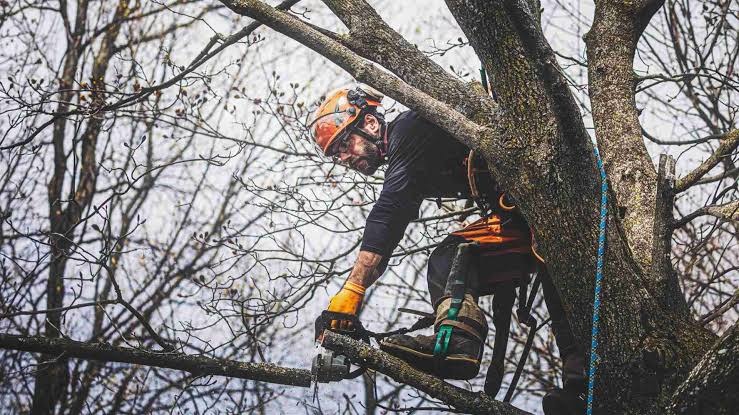
When property owners reflect on what makes their neighborhoods truly inviting, the presence of mature and healthy canopies almost always tops the list. From historic tree-lined avenues to quiet suburban cul-de-sacs, native oaks, red maples, sweetgums, and flowering dogwoods give the region its distinctive character while providing immense environmental and psychological benefits. However, preserving the vitality of these living giants amid unpredictable mid-Atlantic weather patterns requires specialized knowledge and consistent dedication. For homeowners seeking to balance lush beauty with structural safety, investing in reliable tree care camden county nj has become an indispensable part of safeguarding both property value and personal peace of mind throughout every season of the year.
The geographic reality of southwestern New Jersey presents a unique microclimate that demands a tailored approach to botanical management. Situated between the Delaware River basin and coastal plains, the area experiences high summer humidity, fluctuating winter freeze cycles, and occasional severe storm fronts that test the resilience of any root system. Urbanization and suburban sprawl often leave ornamental and native trees competing with compacted clay soils, underground utility lines, and restricted drainage channels. When trees face these subtle environmental stressors, their natural defense mechanisms begin to weaken long before external symptoms become obvious to an untrained observer. Recognizing how local soil composition and local atmospheric patterns influence vegetative health represents the first major step toward building a thriving landscape.
Why professional arboriculture makes a lasting difference
It is easy to assume that because trees grow naturally in vast forests, they should effortlessly prosper in backyards without human intervention. Yet woodland ecosystems operate under self-sustaining balances where fallen leaves enrich the topsoil and dense stands shield one another from wind shears. In a residential yard, the dynamics are completely altered. Lawnmowers compact the earth, leaves are routinely raked away rather than returned as organic humus, and solitary trees bear the brunt of powerful gusts alone. Under such conditions, a qualified arborist steps in to recreate that lost equilibrium. Through periodic evaluations of soil aeration, structural integrity, and canopy density, certified specialists provide targeted treatments that keep trees robust against environmental pressures.
Proactive assessment also prevents minor vegetative issues from spiraling into hazardous liabilities. A tree might maintain a rich green canopy while hiding deep structural cavities or decaying support roots just below the surface grade. When heavy snow accumulation or sudden gale-force winds arrive, compromised limbs can collapse onto roofs, power lines, or driveways with catastrophic results. Scheduling regular diagnostic evaluations transforms tree management from an expensive emergency reaction into a planned, manageable investment that shields your home while keeping the surrounding ecosystem intact.
How tree care camden county nj routines protect your home from severe weather
Weather in this part of the country can swing rapidly from sweltering heat waves to nor’easters bearing heavy moisture and intense winds. Preparing your property for these seasonal extremes requires disciplined architectural pruning that works with the natural form of each specimen rather than mutilating it. Crown thinning, when executed with precision, reduces the wind resistance of a tall canopy by allowing turbulent air to pass smoothly through the branches rather than pushing against them like an open sail. This specific intervention dramatically lowers the risk of limb failure during summer thunderstorms and coastal squalls.
Furthermore, proper deadwooding removes decaying or compromised branches before the winter freeze sets in. Ice and heavy wet snow add tremendous weight to upper boughs, exploiting pre-existing cracks and weak unions. When winter weather is handled through preventative pruning during the dormant months of late autumn, the risk of unexpected limb fractures drops substantially. Dormant pruning also offers the distinct advantage of allowing specialists to see the entire branch architecture clearly without the obstruction of dense foliage, making structural corrections far cleaner and less stressful for the plant when vigorous sap flow resumes in spring.
Recognizing subtle signals of decline before structural failure occurs
Trees communicate their distress through a variety of subtle physical indicators that attentive homeowners can learn to spot throughout the growing cycle. Premature defoliation, leaves that turn yellow or scorch along the margins during midsummer, and unusually sparse branch tips often indicate root compromise or vascular disruption. Fungal fruiting bodies, commonly known as conks or brackets, emerging directly from the bark or near the root flare are definitive signs that internal wood decay is already underway. When wood begins to soften internally, the structural load capacity diminishes rapidly, making timely professional intervention absolutely essential.
Pest pressures represent another persistent challenge across southern New Jersey landscapes. Invasive species such as the spotted lanternfly and the emerald ash borer have inflicted severe damage on regional foliage in recent years, weakening mature stands and leaving them vulnerable to secondary pathogens. Look out for sticky sap residue coating understory plants, localized bark splitting, zigzag larval galleries under peeling bark, or sudden dieback in the upper crown. In addition to insect infestations, soil-borne fungi and bacterial leaf scorch frequently spread across suburban neighborhoods where trees share interconnected root zones. Early detection through experienced diagnostic eyes allows for targeted micro-injections, biological controls, or organic fungicides before a prized specimen becomes unsalvageable.
The financial and environmental dividends of a flourishing urban forest
Beyond mere aesthetics and safety considerations, maintaining healthy trees provides measurable financial rewards that directly benefit property owners. Academic studies consistently highlight that mature, well-curated trees can increase residential real estate values by substantial margins, often boosting curb appeal enough to speed up sales in competitive markets. Prospective buyers naturally gravitate toward properties that feel established, peaceful, and secluded, qualities that take decades to replicate if mature greenery is neglected or improperly cleared.
Energy savings represent another tangible economic advantage that accumulates month after month. Deciduous trees positioned strategically along the south and west elevations of a residence provide dense cooling shade during blistering summer months, lowering ambient indoor temperatures and cutting air conditioning utility expenses noticeably. When winter arrives and the leaves drop, sunlight filters through the bare branches to provide passive solar warmth. Coniferous evergreens planted along the northwest perimeter serve as living windbreaks that intercept frigid winter currents, further reducing heating demands. Healthy canopies also absorb tremendous quantities of stormwater runoff, minimizing localized soil erosion and easing municipal drainage infrastructure during torrential rain events.
Sustainable innovations shaping modern canopy preservation
The modern arboricultural discipline has moved far beyond rudimentary sawing and aggressive tree topping. Today, forward-thinking tree preservation relies on eco-conscious methodologies designed to optimize the biological health of the entire root-and-soil matrix. One of the most effective non-invasive practices is pneumatic soil decompaction using specialized air tools. By loosening compressed soil around the root zone without damaging tender feeder roots, technicians introduce vital pore space for oxygen, moisture, and beneficial mycorrhizal fungi to flourish naturally.
Fertilization strategies have likewise evolved into precision treatments. Instead of blanket surface applications of synthetic chemicals that risk running off into nearby waterways, modern arborists utilize deep-root liquid injections containing balanced micronutrients, bio-stimulants, and slow-release organic inputs. This targeted delivery places nourishment directly where active root hairs can absorb it, fostering long-term resilience rather than unnatural and fragile growth spurts. When structural reinforcement is needed to save a treasured historical specimen with co-dominant stems, dynamic synthetic cabling systems allow natural flex during wind events while preventing split failures, offering a protective alternative to premature removal.
Taking good care of your home landscape is an ongoing relationship built on patience, observation, and skilled stewardship. By choosing proactive preservation over reactive remediation, you protect your domestic sanctuary from unexpected structural risks while investing in an asset that grows in value and beauty with each passing decade. Cultivating vibrant, sturdy canopies enriches the surrounding community, fosters local wildlife, and ensures that the natural heritage of the region continues to thrive for generations to come.